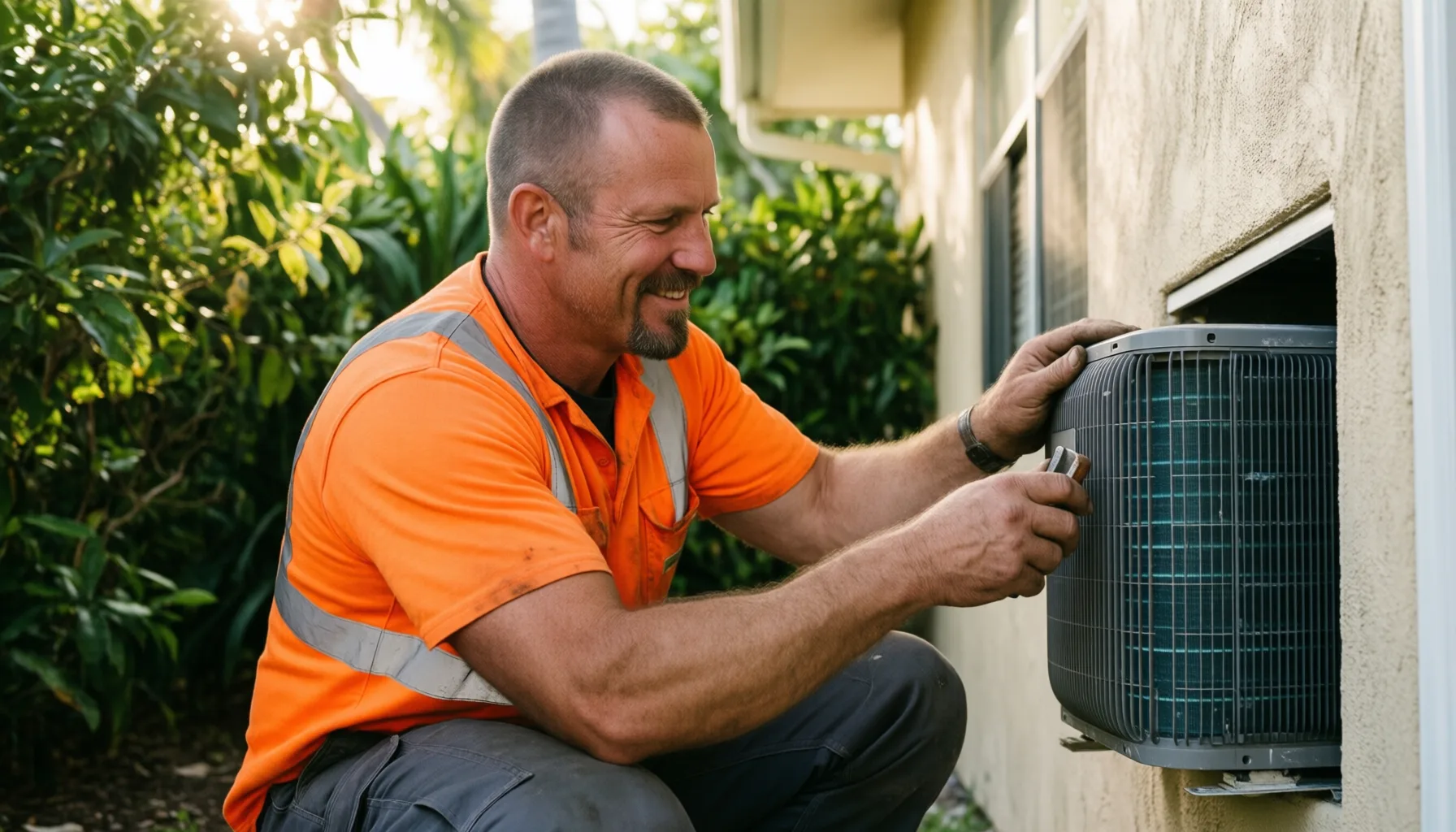
Understanding AC Tonnage for Miami Homes
Published: 2026-06-19 · By BetterCold Air Conditioning Repair Service
As a Miami homeowner, you know the relentless role air conditioning plays in keeping your family comfortable during steamy tropical summers. With temperatures frequently surpassing the 90s, the importance of understanding your AC tonnage becomes paramount. Tonnage not only dictates your unit's efficiency but also affects your energy bills and overall indoor air quality. Imagine arriving home after a long day, only to find your AC struggling to keep up with the humidity. This scenario isn't just uncomfortable; it can also lead to costly repairs or replacements. Let's delve into the intricacies of AC tonnage and why this knowledge is essential for Miami homeowners.
Why This Matters for Miami Homeowners
The unique climate in Miami presents specific challenges when it comes to air conditioning. High humidity, salt air corrosion, and the threat of tropical storms dramatically impact unit performance. If your air conditioning system is undersized, it won't cool your home efficiently, leading to increased energy costs and a higher risk of system failure. Conversely, an oversized unit can cycle on and off rapidly, causing undue stress and leading to premature wear.
Moreover, many Miami homes are elevated with moisture barriers to protect against flooding, and incorrect tonnage can result in poor air circulation. This creates pockets of uncomfortable temperatures and can contribute to mold and mildew growth, another common issue in humid areas.
Understanding the tonnage of your AC unit is essential for both comfort and efficiency. Neglecting tonnage considerations can lead to more serious complications down the line, particularly during peak summer months when reliable cooling is a necessity.
Expert Solutions & Actionable Tips
1. Calculate Your Home's Cooling Load
The cooling load of your home directly influences the tonnage of AC required. Factors include home size, ceiling height, and insulation. Use online calculators or consult an HVAC professional to get an accurate measurement to avoid future problems.
In Miami, an average home might require between 1.5 to 5 tons of cooling, depending on these variables. Spending about $200 on an HVAC assessment can save you money on future energy bills.
2. Check for Proper Installation
Even a unit with the correct tonnage can perform poorly if it's not installed right. Issues with ductwork or placement can inhibit the cooling process. Always ensure your system is installed by professionals who specialize in Miami's unique environmental factors.
Installation costs can fluctuate, with average fees ranging from $1,500 to $3,500. Choosing reliable experts is vital for optimal performance.
3. Regular Maintenance is Key
Proper maintenance can extend the lifespan of your air conditioning unit significantly. Schedule regular check-ups, ideally twice a year, which can cost around $75-$150 each visit.
In humid climates like Miami, changing filters and cleaning coils is crucial to avoid corrosion due to salt air, which can damage components over time.
4. Monitor Your Energy Bills
Be vigilant about your energy bills throughout the summer months. A sudden spike in costs could indicate inefficiencies tied to incorrect tonnage. If you notice a 10-20% increase, it may be time to reassess your AC unit.
Keep an eye on your system’s performance in relation to your monthly energy statements for signs that it might not be functioning correctly.
5. Understand Seasonal Variation
In Miami, peak cooling demand typically spans from May to October. Understanding these seasonal shifts may encourage you to assess your AC’s tonnage before the hot months hit.
Take advantage of off-season repairs or assessments. You'll likely find competitive prices and increased availability from service providers.
6. Choose Energy-Efficient Models
If your current AC unit is old or oversized, consider investing in an energy-efficient model. New iterations often have better SEER ratings, which help reduce cooling costs and enhance performance.
The upfront cost for energy-efficient models can be higher—ranging from $3,500 to $5,500—but these units typically pay for themselves through energy savings over time.
Miami Climate & Local Context
Miami’s climate plays a pivotal role in determining appropriate air conditioning solutions. The city's tropical nature means frequent rain and high humidity levels, making it essential for systems to be designed with corrosion resistance in mind. Homes typically feature elevated structures with moisture barriers to mitigate flood risks, also affecting airflow and system efficiency.
Local building codes have specific permit requirements regarding HVAC systems. When upgrading or installing a new AC unit, compliance with these regulations is crucial to ensure safety and efficiency. Navigating these codes often necessitates the expertise of certified local professionals who understand how Miami's unique weather impacts HVAC installations.
When to Call a Professional
While DIY projects can be rewarding, air conditioning work generally warrants the expertise of a professional—especially in Miami’s humid climate. Recognizing when to seek professional help can save you from extended discomfort and additional repair costs. If you encounter one or more of the following scenarios, it’s best to call an expert:
- Frequent system cycling that disrupts normal cooling
- Unusual noises such as banging or hissing
- Airflow inconsistencies throughout your home
- Visible corrosion on external and internal components
- The system fails to cool the home effectively
- Water pooling around the unit
In Miami, addressing these issues quickly helps avoid larger system failures and ensures your home remains a comfortable refuge from the sweltering heat.
Frequently Asked Questions
How do I know if my AC unit is the right size for my home?
The right size can be determined by calculating your home's cooling load, considering factors like square footage, insulation, and local humidity levels.
What is the typical lifespan of an air conditioning unit in Miami?
Most units last between 10-15 years, but humid conditions can impact longevity, making regular maintenance vital.
Can I perform maintenance on my AC system myself?
Basic maintenance, like changing filters, can be done independently, but complex tasks should be completed by professionals to ensure efficiency.
What should I do if my AC unit is leaking water?
Contact a technician immediately, as water leaks can indicate larger issues like clogged drains or internal component failure.
How often should I have my AC unit serviced in Florida?
It’s recommended to have your HVAC system serviced at least twice a year to maintain optimal performance, particularly in Miami's humid climate.
Get Expert Air Conditioning Repair Service in Miami
If you’re experiencing issues with your AC or just want to ensure you’re equipped with the right system for Miami’s demanding climate, don’t hesitate to reach out. Speak with the experts at BetterCold Air Conditioning Repair Service today.
Call us at (645) 237-0499 and let us help you achieve the comfort you deserve in your Miami home!